The Gap Between IT and the Boardroom
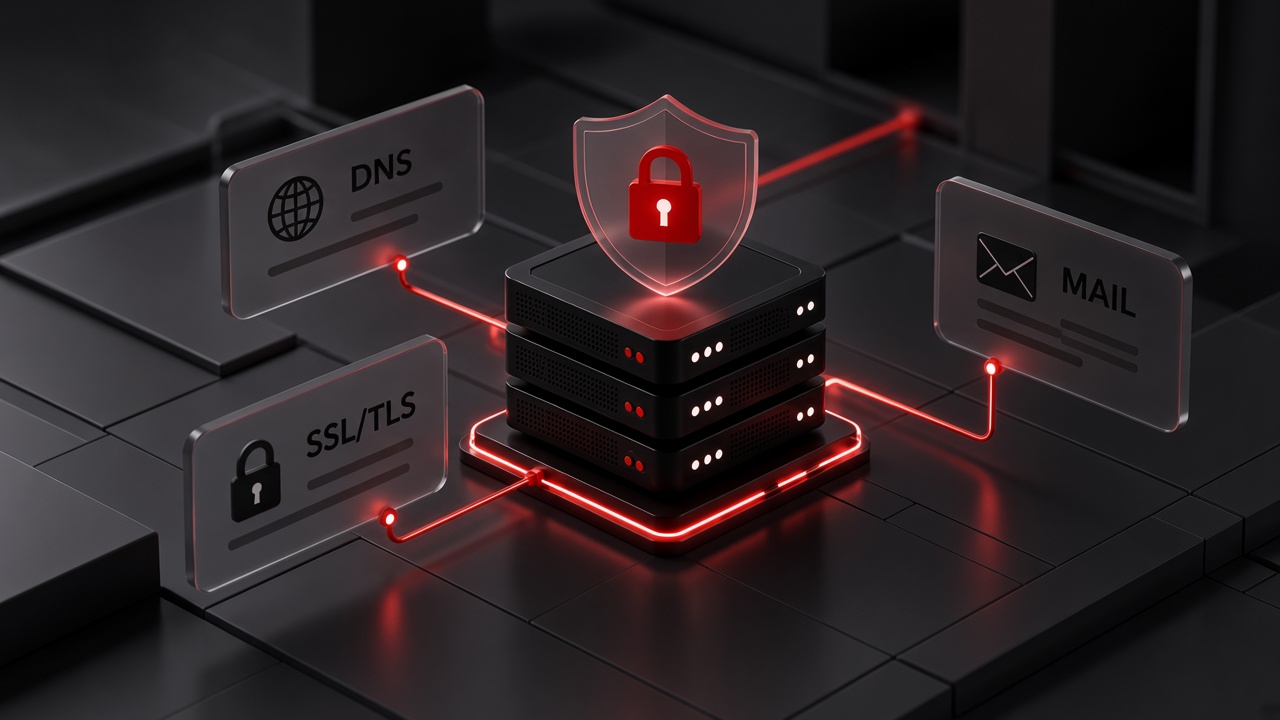
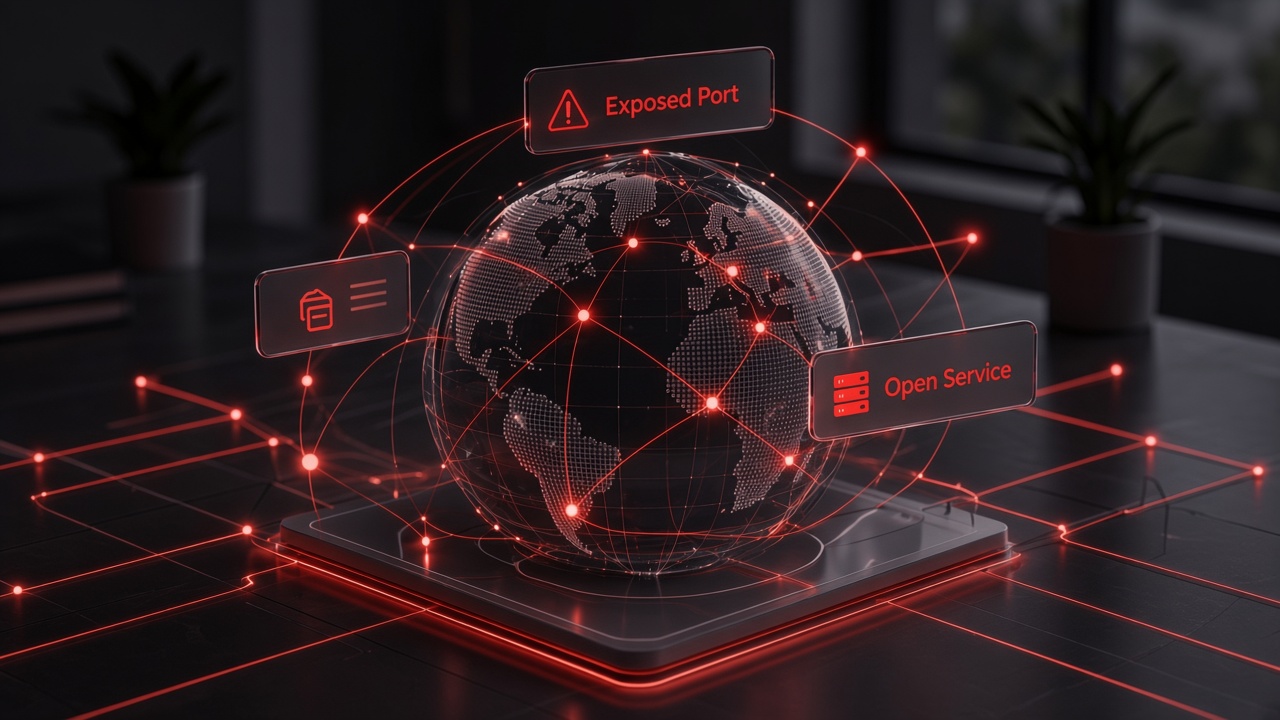
Security operations produce a mountain of technical telemetry: open ports, TLS certificate alerts, software versions, and DNS configurations. However, the board of directors and GRC (Governance, Risk, and Compliance) officers do not speak in port numbers or CVE codes. They speak in terms of compliance readiness, business risk, and liability.
To bridge this gap, OrgIntel360 offers Risk Intelligence — a module designed to normalize and translate complex external exposures into objective security scores and GRC worksheets.
Core Capabilities of Risk Intelligence
1. Risk-Weighted Scoring Models
Instead of counting vulnerabilities flatly, our scoring model weights issues based on asset criticality and potential business impact. A leaked credential or exposed database yields a heavy scoring drop, whereas an missing security header is graded as low-impact. This helps security teams triage remediation efforts.
2. GRC Framework Mapping
Risk Intelligence maps discovered network vulnerabilities directly to active cybersecurity compliance controls:
- SOC 2 Type II: Validating encryption and access controls.
- ISO 27001: Mapping infrastructure posture.
- CERT-In Compliance: Cross-referencing reporting checklists for Indian business entities.
3. Historical Drift & Trend Analysis
Security is not a point-in-time snapshot. We trace security score history continuously, allowing organizations to demonstrate remediation progress to underwriters, investors, and regulators.
How Compliance Officers Leverage Risk Intelligence
Third-Party Vendor Onboarding
Before signing a contract with a critical software vendor, compliance teams run a Risk Intelligence profile to review the vendor's cybersecurity health grade (A through F), ensuring they do not import supply chain liability.
Boardroom Cybersecurity Reporting
CISOs use the visual executive dashboards and PDF exports to explain security posture trends to non-technical board members, helping justify security budget allocation.
Quantify Your Business Risk Today
Risk Intelligence features are fully integrated into the OrgIntel360 dashboard.
Ready to get started? Run an automated risk audit on your organisation profile today.